(Opinion piece about upcoming EU regulations for mobiles and tablets)
You know, working in the mobile industry (Samsung here, guilty as charged), I hear a lot of people moaning about the EU. “They just make rules nobody wants!” “They’re just bureaucrats with too much time on their hands!”
And hey, sometimes it does feel like that from the inside. More forms, more certifications, more ‘compliance audits’ that make you want to crawl under your desk.
But every now and then… they pull something off that actually makes me stop and say:
“Okay, fair play, that’s a good move.”
Case in point: the new EU rules coming into effect for smartphones and tablets from later this year (2025).
At first, it sounded like a headache: more regulations, more demands. But digging into it, I have to admit – this might actually be one of the best things the EU has done for us consumers in years.
Basically, the new Ecodesign and Energy Labelling regulation is aimed at making smartphones, feature phones, cordless landline phones, and slate tablets way more durable, easier to repair, and less of an environmental disaster. (Foldables and Windows tablets are off the hook for now – lucky them.)
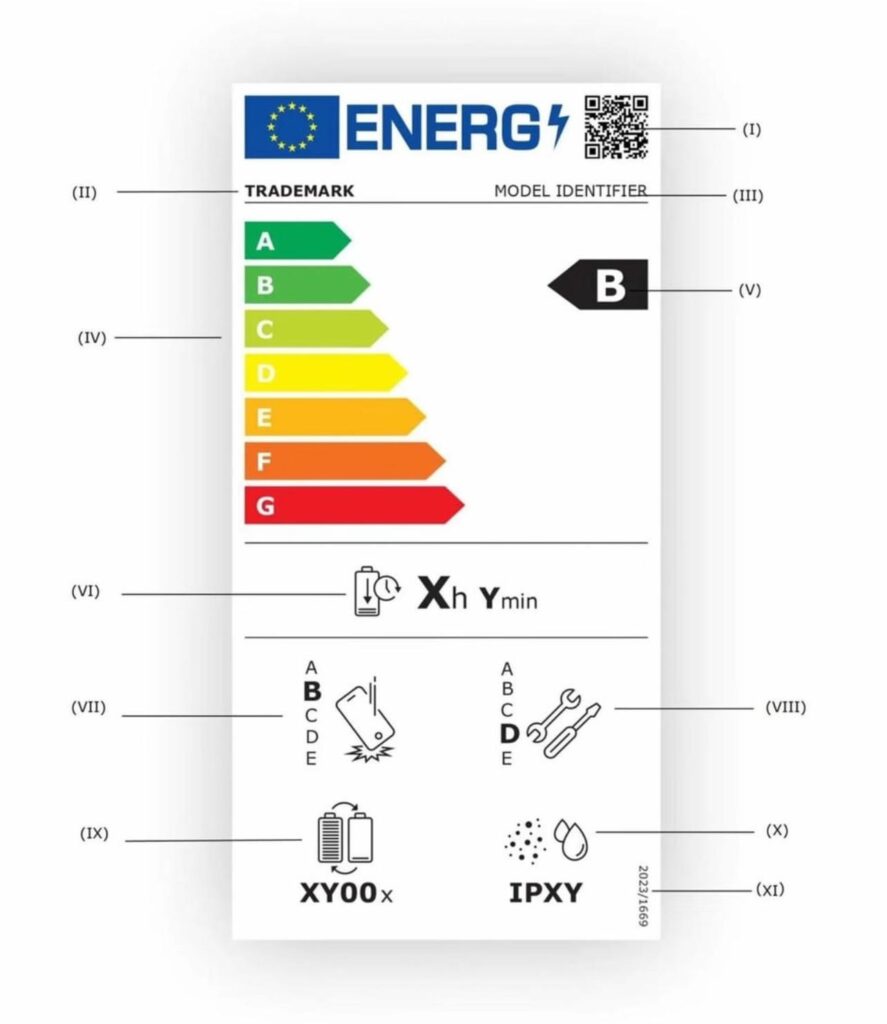
Under the new rules, your next phone will have to survive at least 45 “oops, butterfingers” drops without dying. Batteries will need to keep 80% of their juice even after 800 charges. Spare parts? Available for up to seven years after the model stops selling – and you’ll actually be able to buy them without needing an engineering degree or a corporate expense account.
Oh, and software updates? Five years, minimum. Not the “two years if you’re lucky” model we’re used to (actually Samsung has been 4-5 years for some time already – YAY!).
And when you’re buying, you’ll see a new energy label on the box, telling you – plain as day – how durable, repairable, and energy-efficient that device really is…. you know, just like the one you already know from your freezer or TV box.
Honestly? As a user, this sounds like a dream. I can finally stop feeling guilty when my perfectly good phone starts acting like a potato after two years. Maybe I can even skip the endless upgrade treadmill for once. Imagine that: a phone that still feels good five years down the line.
Of course, as someone who works in the industry, I’m also thinking… ouch.
This is going to be hard for the industry (mark my words!)
– Kim Schulz 2025
Making ultra-slim, ultra-light devices that can survive a clumsy night out and are easy to repair? Not exactly what current design philosophies are about. Most of the cool, slick phones we make today aren’t exactly built for a second life.
And keeping a warehouse full of spare parts for phones we stopped selling six years ago? Yeah, that’s going to be a logistical nightmare nobody’s looking forward to.
And don’t even get me started on the pressure on software teams to keep security and OS updates going for half a decade.
It’s going to change a lot. And not just for Samsung – for the entire industry.
But maybe that’s the point.
Because let’s be honest: the way things have been going wasn’t super sustainable. Not for the planet. Not for consumers’ wallets. Not even, in the long run, for manufacturers.
Building products to last longer, be fixable, and be more transparent about what people are actually getting – it forces us to do better. To innovate smarter, not just sleeker.
And I’m genuinely curious how people are going to react.
Will they love their longer-lasting phones and happily keep them longer? Or will we still see a new generation wanting the latest shiny thing every 18 months no matter what?
(My money’s on: a little bit of both.)
Still, when I hear people complain that “the EU never does anything useful,” I’ll have a great answer ready:
“They made your next phone actually survive your clumsiness and your lifestyle.”
And honestly? That’s pretty damn cool.